

She felt like a zombie. Every year when the weather got worse, her mood went with it. It felt hopeless, like digging herself into a deeper and deeper hole. She would go to school, then come home and nap until she was forced to stop. All she wanted to do was sit in bed and rot. She was afraid that no matter what she did, she would always be sad. But there was comfort in feeling sad. It became a form of self-sabotage.
Mckinleigh Cole (12) would do anything to be alone.
It was eighth grade when she began to realize what was happening and told her parents how she’d been feeling. Cole started going to therapy, where she learned about Seasonal Affective Disorder (SAD), a type of depression related to seasonal changes.
SAD can look very different for each person, and Cole believes that you have to find your own way out of the cycle of sadness.
“I personally wanted to reach out to people and feel a sense of community,” Cole said.
Therapy helped a lot, but she continued to struggle with SAD throughout high school. Even after realizing what was going on, she still had to change her mindset.
“When you just lay around and sit and be sad, that’s enabling the [SAD],” Cole said. “You have to get up and want to feel better to get better.”
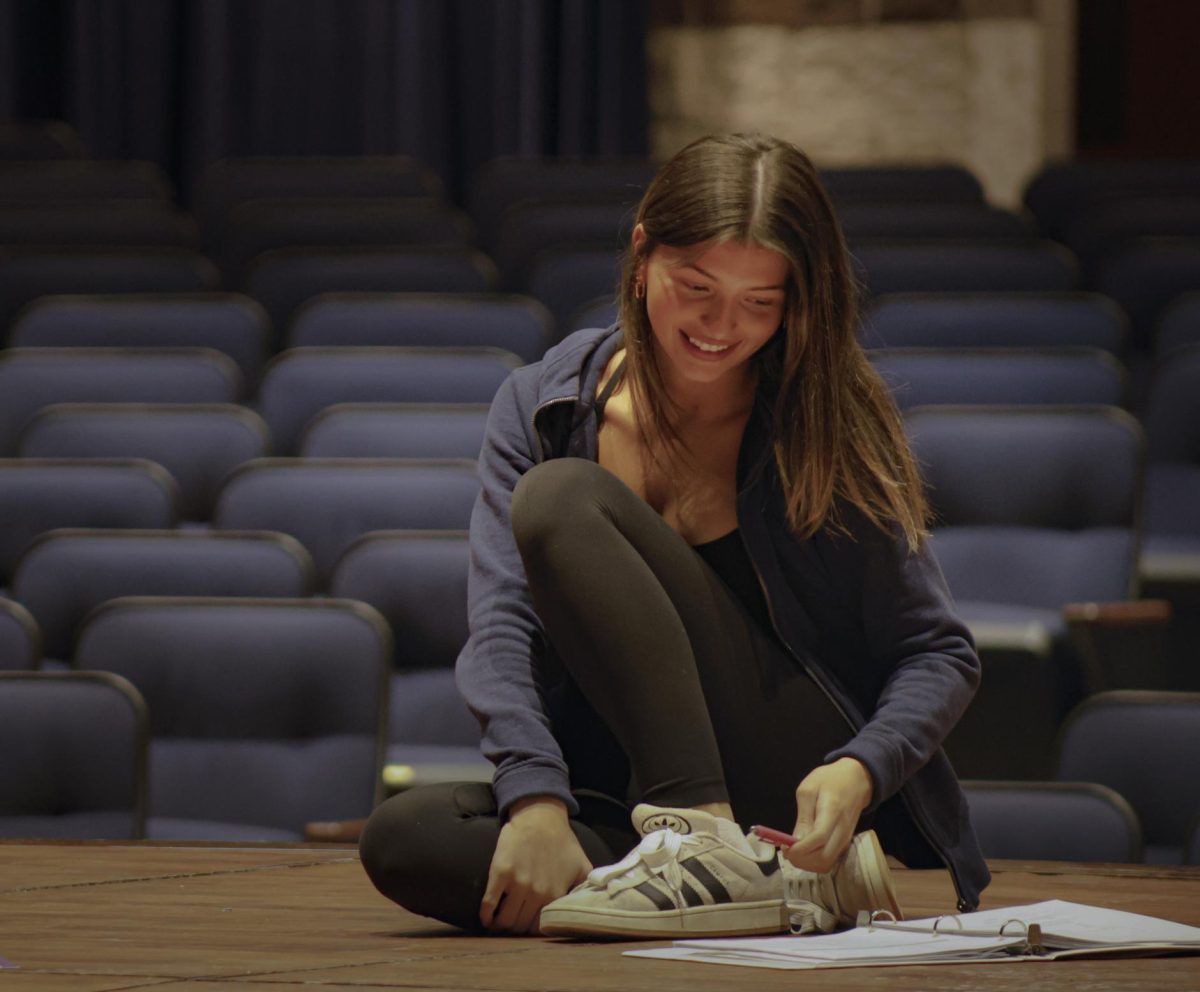
This year, Cole decided to audition for the school’s winter musical, “Mean Girls.” Despite having no prior theater experience, she’d always enjoyed singing and was cast as Regina George, one of the show’s lead roles.
“It was mostly my mom’s idea,” Cole said. “She said that I always get so bored and sad sitting around, so she wanted me to do something.”
Finally, Cole had a reason to get out of bed and interact with people outside of school.
“I didn’t want to do it at first,” Cole said. “But now that I got myself out of the house and moving, I’m having fun.”

Cole has rehearsal for the musical nearly every day, and she loves the positive environment of it. She’s now able to manage her SAD much better.
But in an age where endless online content is available at their fingertips, high schoolers can easily get stuck in loops of sitting and scrolling all day.
According to psychology teacher Jade Bennett, SAD is fairly common in colder states like Michigan.
“Exposure to light is lessened as a result of shorter days and gloomier weather,” Bennett said. “Some of the chemicals in your brain [are affected] in a way that causes depressive symptoms.”
Signs of SAD include decline of energy, mood changes, negative thinking, lower attentiveness and changes in eating habits.
“It certainly ranges in severity,” Bennett said. “But it doesn’t always require treatment.”
Cole used therapy as a way to get over SAD, but simply having more things to do can get many teens off their phones and out of bed.
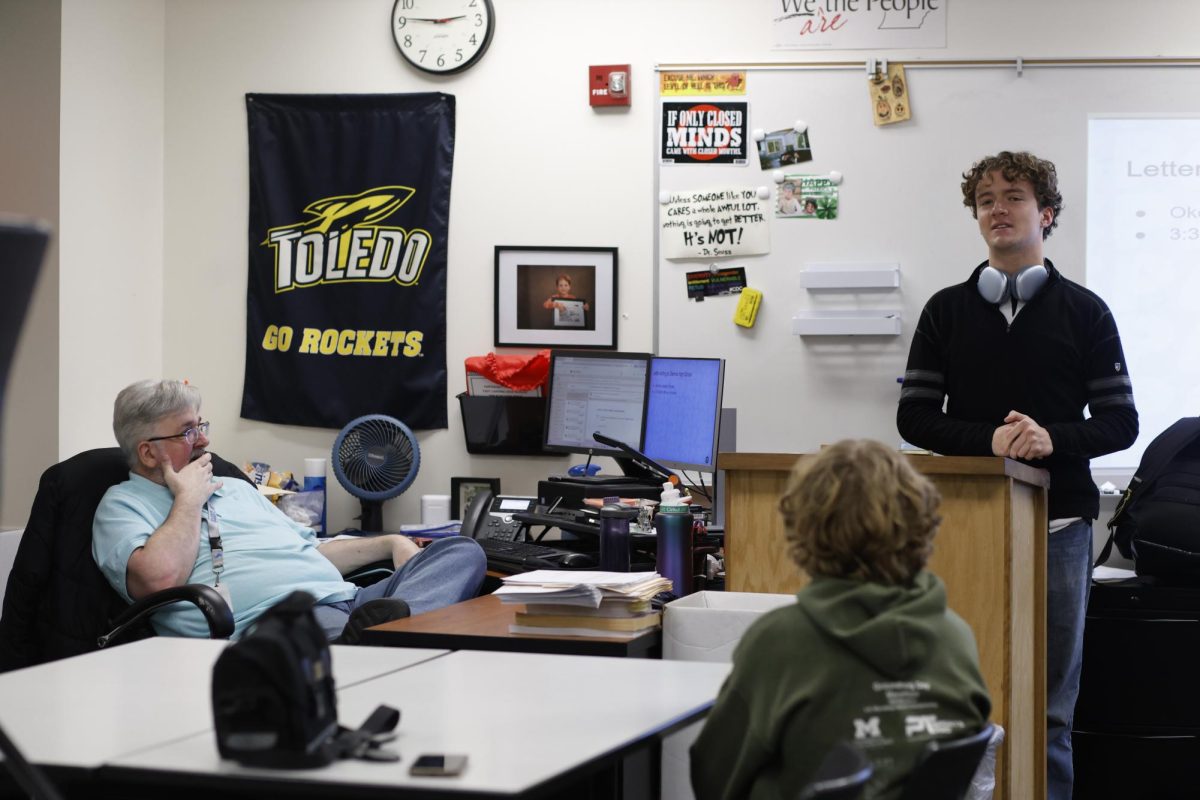
Many students, including Carolina Gisholt (10) and Noah Christlieb (12), report that their screen time increases in the winter.
“In the winter, I’m inside so much that I’m bored,” Gisholt said. “I go on my phone for a lot more time.”
Christlieb also dislikes the colder parts of the year because of how much less time he spends outside and with friends.
“Winter is such a dead time,” Christlieb said. “I get bored so easily that I end up doomscrolling half my life away.”
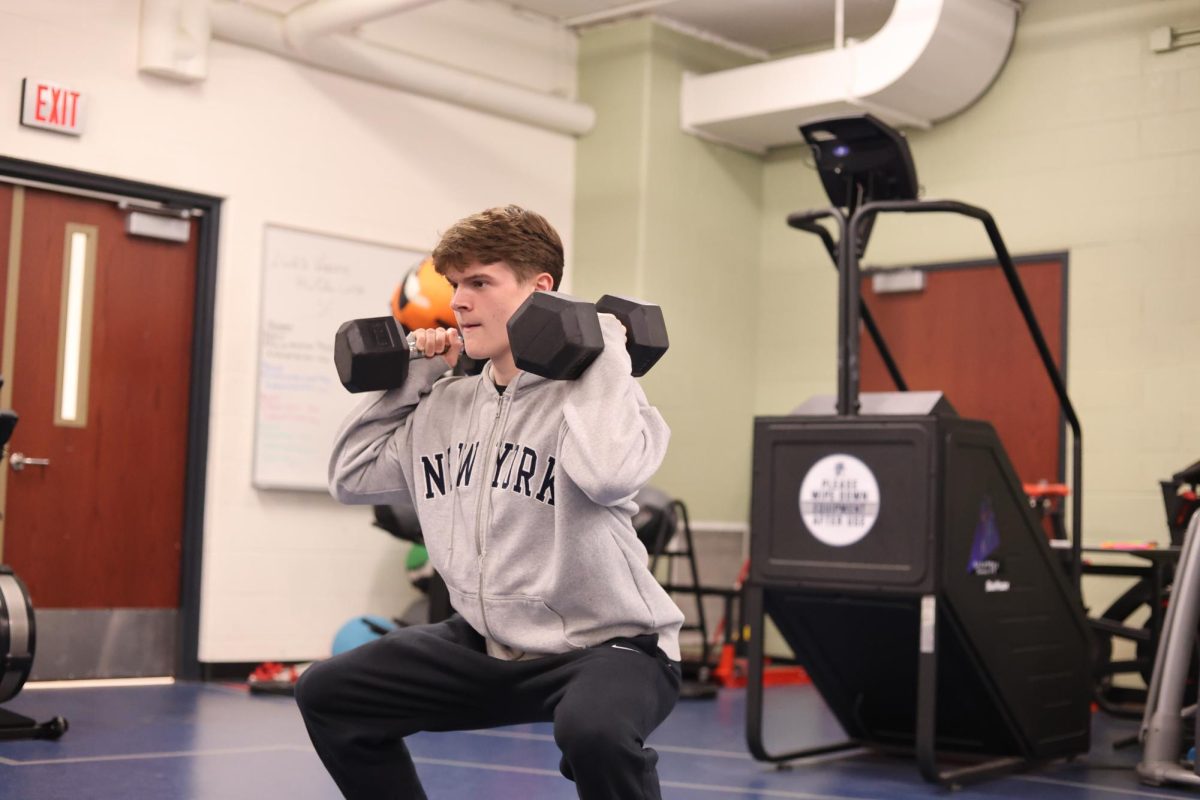
Despite the effortless entertainment given by phones, a great deal of students participate in winter activities that lower the risk of SAD by giving them other ways to spend their free time. There are several winter sports, but even simply going to weightroom workouts or joining winter running can provide a reason to stay active outside the home.
Although she didn’t expect to, Cole really likes being in the musical. She feels that theater has helped her open up, meet new people and suppress SAD symptoms. While it may be a one-time thing for her, she’s really glad to be doing it.
Winter used to mean lying in bed and letting the days pass. Now it means rehearsals, music and something to look forward to each day.
“Everybody’s ‘cures’ for their sadness [are] different,” Cole said. “You [have] to find your own way to make yourself feel better.”