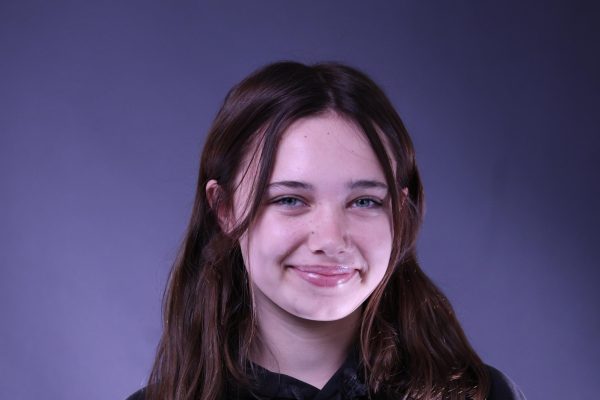

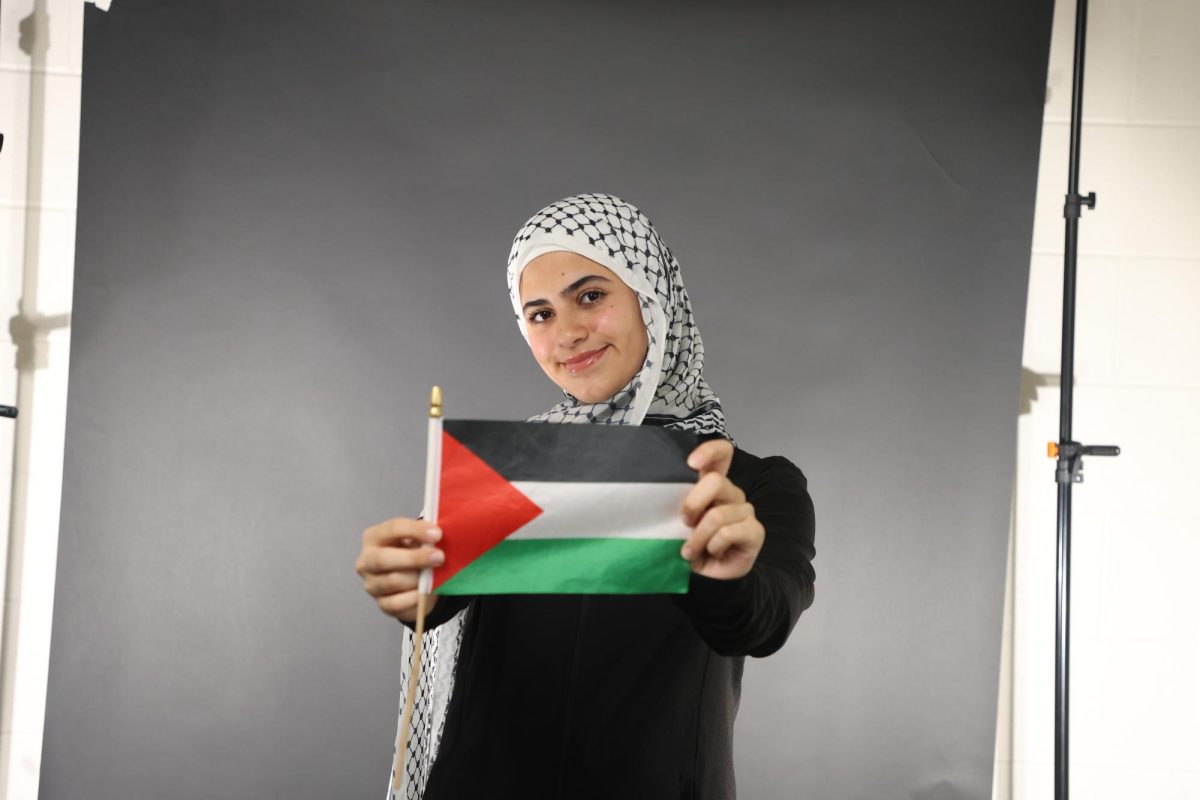
When Dalia Abedalqadi (11) speaks about where her family comes from, her voice softens. The topic of Palestine brings her pride, but also heartbreak.
Abedalqadi and her family have been in East Lansing for 17 years. Her parents are ethnically Palestinian, but her father was born in Kuwait and her mother in Dubai. Abedalqadi’s grandmother used to live in Palestine until the Arab-Israeli war of 1948, when Israeli forces displaced hundreds of thousands of Palestinians in what’s known as the Nakba. Israeli regulations enacted afterwards prevented refugees from returning. Her grandmother used to always tell stories to Abedalqadi about how hard it was to move out of her home country.
After the Nakba happened, she went to Jordan for a while and lived there, and then she came to America with us,” Abedalqadi said. “Even Jordan itself is a lot different than Palestine. When she also came to [the U.S], it’s even more of a whole new place she wasn’t used to.”
Abedalqadi initially hid her Palestinian origins from her peers. To her, telling people she was Palestinian seemed to change the tone of the conversation to sympathetic, but uncomfortable. Paraprofessional teacher Somer Ramadan, who Abedalqadi met when she first started going to ELHS, helped her overcome that.
“She told me ‘you should be feeling more confident about where you’re from. Who cares what other people think? You know you’re standing [up] for what’s right,’” Abedalqadi said.
While Abedalqadi watches the violence in her country unfold from 6,026 miles miles away, she sees the world around her in the U.S go on normally.
“There’s no more buildings. It’s sand, just dust on the ground,” Abedalqadi said. “Knowing that my original home is gone, it feels like a small part of me just [went] along with it.”
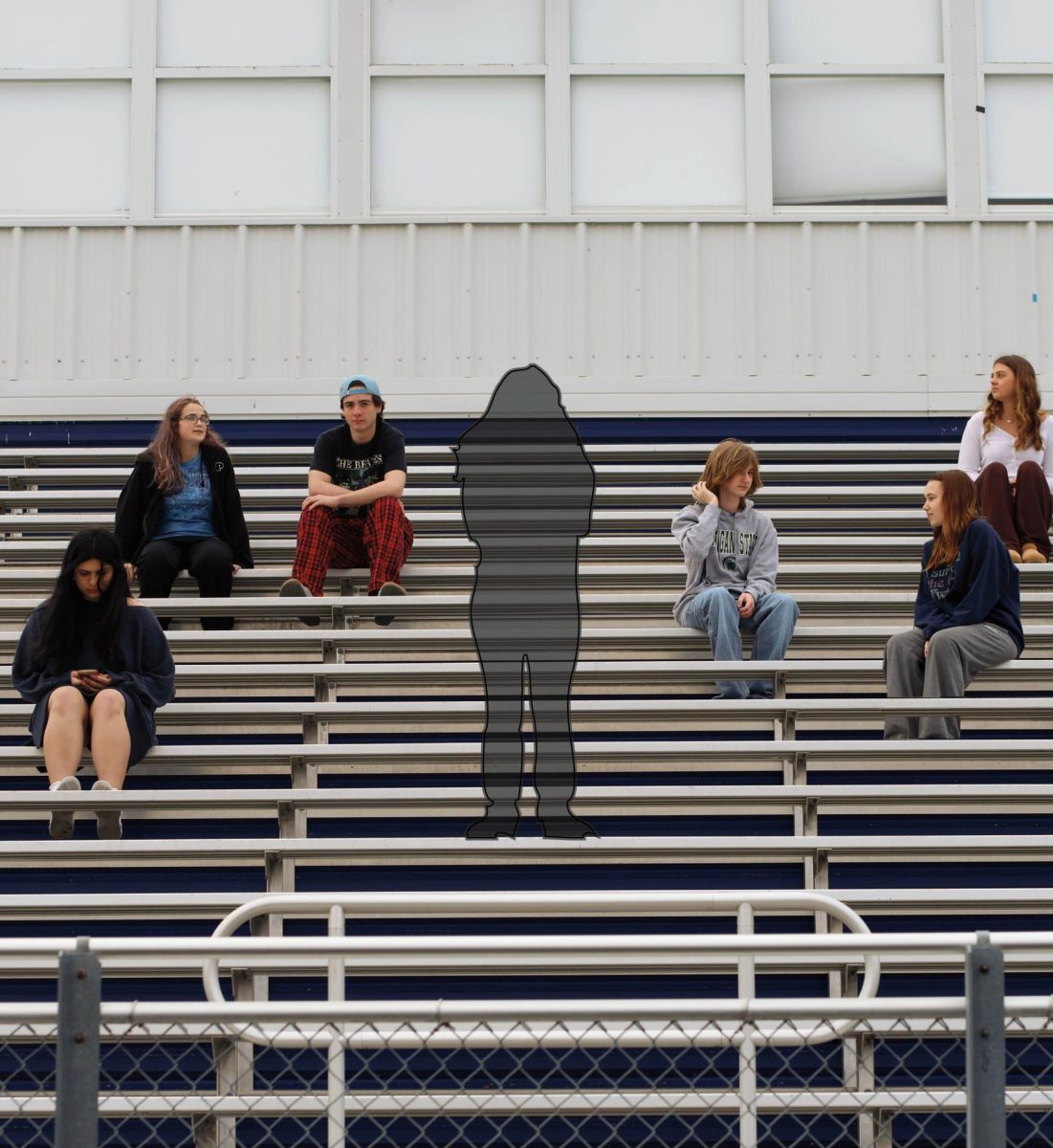
While she fights for something so important, the problem is invisible to everyone around her. Sometimes, the hardest part is hearing what others are saying nearby.
One time when Abedalqadi was in the library she overheard a group of other student’s conversation about supporting Israel.
“She wasn’t talking to me, but I was able to hear it properly,” Abedalqadi said. “It was so strange to hear what they were talking about. How could you like a place that’s killing children?”
Awareness is everywhere, but empathy is harder to find. She knows people have heard of what’s happening, but feels they don’t care to show up. On Sep. 10, the right-wing influencer and Turning Point USA CEO Charlie Kirk was murdered. The uproar on the internet over a singular figure frustrated Abedalqadi after seeing several Instagram stories and posts about his death.
“I understand it was so sad, but it was just one guy that died. They made the biggest deal about him, and there’s so much that’s happening in Palestine,” Abedalqadi said. “I don’t like judging people. If you don’t support [Palestinians], then you don’t support them, but I want people to understand why I do.”
These stories shaped her sense of responsibility to help, even from far away. While she does everything she can to spread awareness, like going to protests and posting online, Abedalqadi can’t help but feel like she’s not doing enough.
“It hurts so much to see other people being so careless,” Abedalqadi said. “I understand you can’t really feel what’s happening there, but when you see the videos, [it’s] so sad.”