
Every October,LGBTQIA+ History Month gives time for people around the country to gather and recognize the struggles that the queer community has faced. This month is not only for looking back on the hardships that the LGBTQIA+ community has experienced, but also to celebrate where queer achievements have brought society.
LGBTQIA+ History Month was created by a
high school teacher in 1994 with the intention of educating students and combating the erasure of queer history. With the help of community leaders and other teachers, LGBTQIA+ History Month was chosen to be celebrated in October. This coincides with National Coming Out Day and also when public schools would be in session, allowing impressionable students to learn about different perspectives and to mitigate harmful stereotypes against the queer community.
In East Lansing specifically, MSU’s various organizations for advocacy and support of LGBTQIA+ staff and students have been created to promote allyship and protection of LGBTQIA+ students. Many teachers at ELHS display pride flags on their walls and inclusive art, bringing representation into their classrooms. The Alliance club showcases movies that represent queer experiences relevant to high schoolers. Students have expressed appreciation for what the school has done to foster a more inclusive environment.
Isa Coronado (11), who is part of the LGBTQIA+ community, hasn’t found her sexuality to be a barrier in any academic or social interactions at school.
“I haven’t really had to seek [acceptance] out,” Coronado said. “There’s also not many situations where my sexuality is part of what I’m going through.”
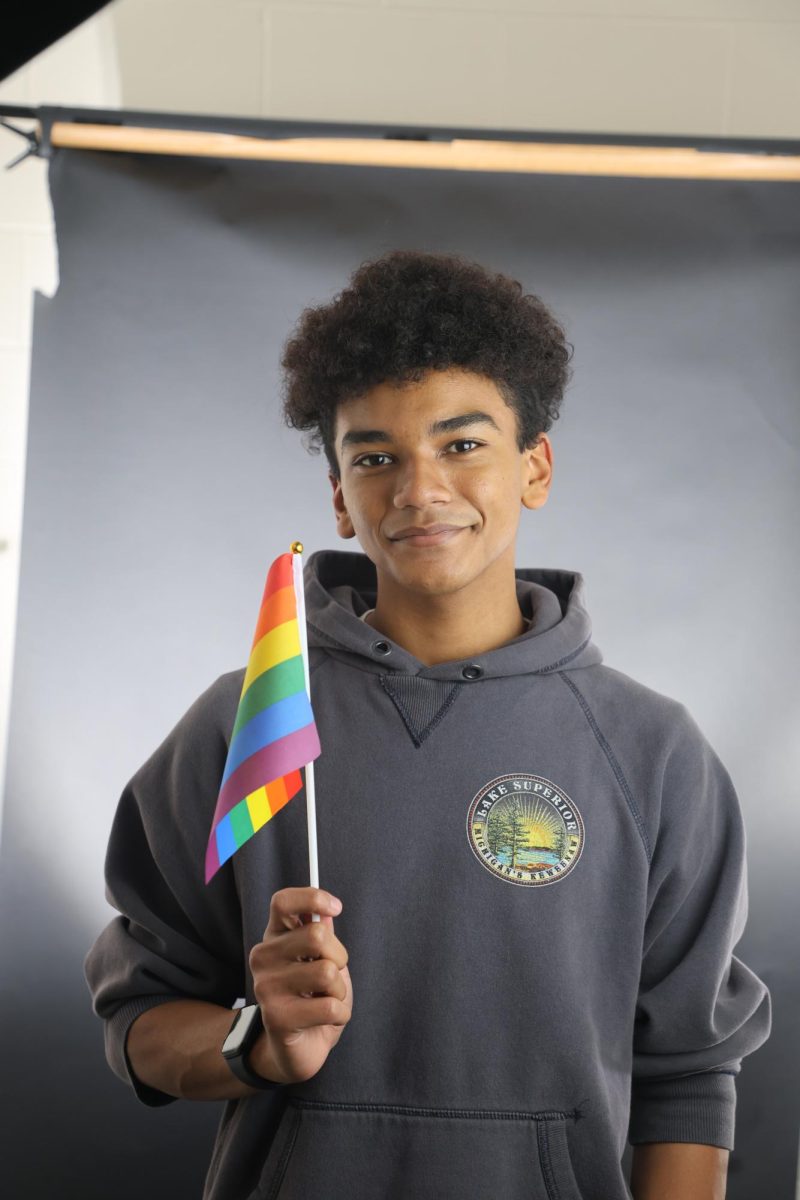
Additionally, Amear Ahmed (11) has noticed that other students haven’t felt the acceptance he has because of differing forms of expression.
“I see some people in the community who like to express themselves differently get bullied for it,” Ahmed said. “I fit into more of the norm, so I guess I don’t face that.”
Although ELHS has been moving forward with encouraging allyship, it’s important to reiterate that all students’ gender expressions should be accepted. Building inclusive communities comes from respecting and valuing everyone’s differences.
“Gender expression is a spectrum, and people’s differences is what make the queer community so important,” Ahmed said. “We need to accept that.”