

“How The Times is Covering the Latest Release of Epstein Files.”
Another scroll.
“Liza Minnelli Has The Most Iconic Living Room I’ve Ever Seen”
Another swipe.
“Bad Bunny’s Super Bowl halftime show ignites Trump’s fury, divides viewers.”
Another push of a button.
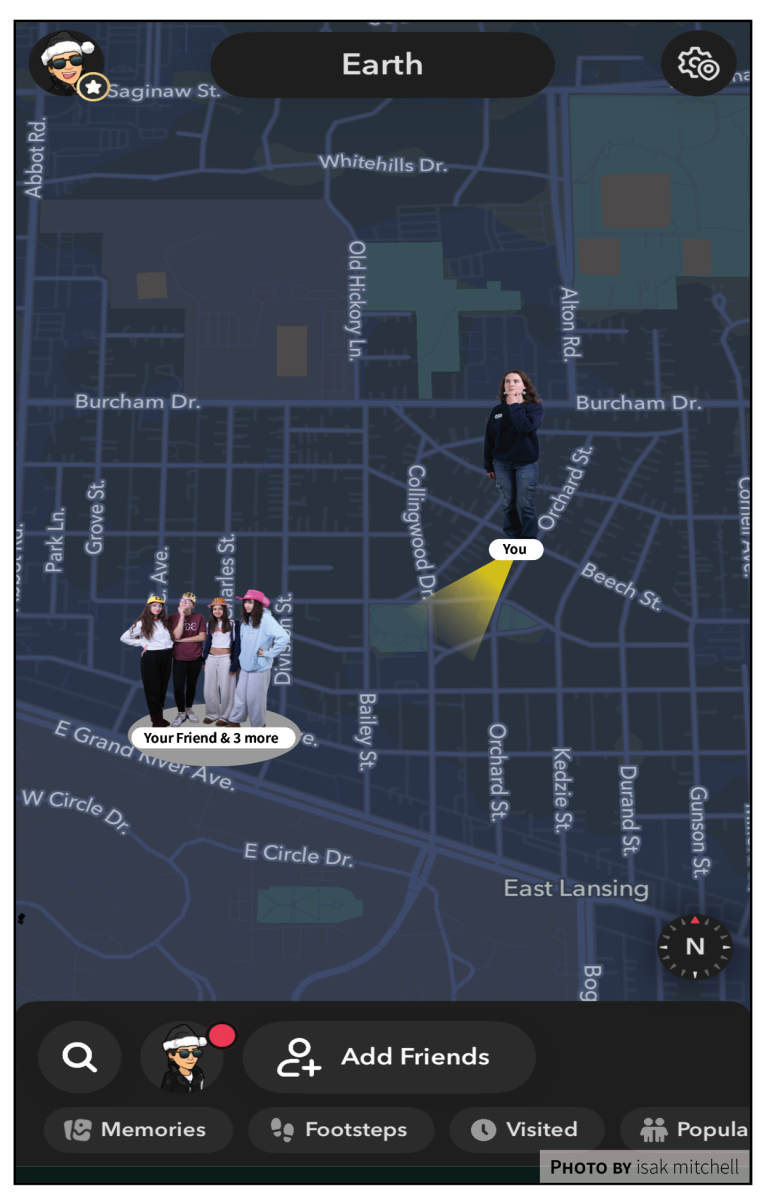
Day-to-day on social media, our peers are posting on their stories about global current events, whether it’s screenshots of headlines or reposted infographics. But by the next swipe, a post about a celebrity or a meme replaces it. Social media posts can spread awareness, but awareness doesn’t solely lead to accountability or change. When activism stays online, it’s easy to scroll past and dismiss. Real engagement requires a drive to take action beyond a screen.
Understandably, many high school students are too young to vote and lack a platform to be heard. And so many of these young people are extremely busy, making it hard to fit hours of protest into their everyday lives. But the depth of our engagement should match the issue if we truly care about change, especially in the state the world is currently in. Because of this, the majority of the editorial board agrees that a school walkout is a good strategy to influence change. We believe that school is the most accessible place for young people to start their work in activism.
In Minneapolis on Jan. 7, 2026, Renee Good was shot and killed by a Federal Immigration and Customs Enforcement (ICE) officer during a surge in their operations. Her death sparked a national debate over our current immigration policy. Thousands gathered in Minneapolis during subzero temperatures in the days after her passing to protest ICE and call for reform. Since then, this movement has spread around the entire country.
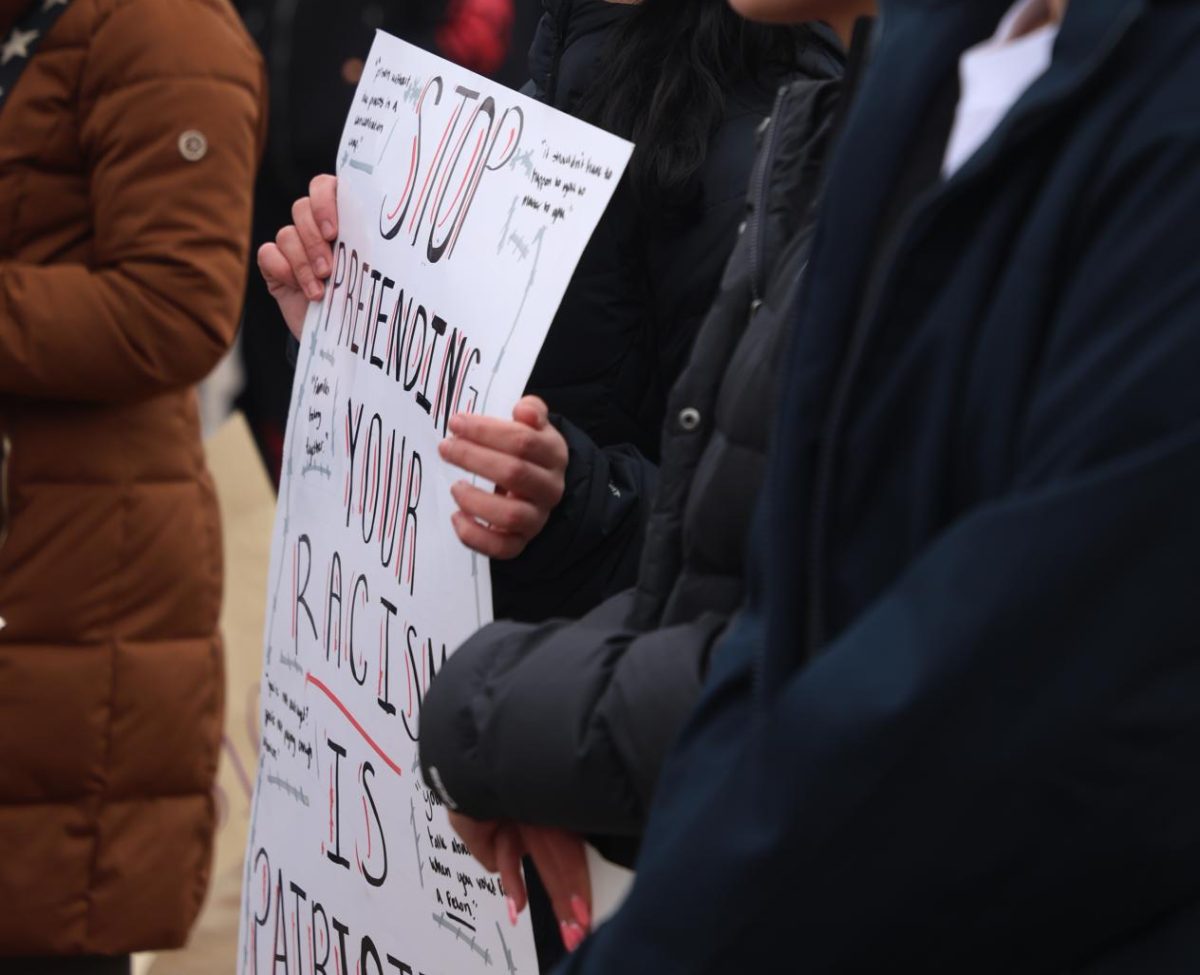
The Students for Political Action (SPA) Club organized a walkout during sixth hour on Jan. 9. Even though they eventually gained support from administration, choosing to walk out of class involves real consequences, including missed instruction and potential discipline. That risk alone distinguishes it from online activism and shows a level of commitment that posting on social media cannot replicate.
While this action alone isn’t enough to change policy, it sends the message that ELHS students are paying attention to the country’s political climate and that we are willing to act collectively in response to a national tragedy.
The walkout made a larger impact than a 30-minute protest. It led to further protesting and discussion within our school community. Students continued to organize and engage with one another about the issue, which shows us that the walkout acted more as a starting point rather than an endpoint.
After the death of Alex Pretti by another ICE officer, there was a “No work, no school, no shopping” protest on Jan 30.

(Courtesy Photo)
At ELHS, attendance dropped to almost 75 percent on this day. Even though there weren’t enough people absent for the strike to be completely successful, dozens of students gathered at the public library to write letters to Michigan representatives and senators. Nearly 400 letters were sent to urge lawmakers to address immigration policy and the actions of the federal enforcement agencies.
National discussions have long been influenced by student activity. One of the most well-known instances is when thousands of Mexican-American high school students in Los Angeles demonstrated against unfair treatment in public schools by leaving their classrooms in March 1968. Those walkouts led to larger civil rights movements against educational inequality across the country because they weren’t a one-day statement; they continued over time and helped draw national attention to inequality.
This history shows that when we’re consistent with our activism, it can be extremely effective. We can’t treat social justice issues as if they’re another trend we see on our phones. A useful protest doesn’t fall out after it stops receiving the amount of attention it did in the beginning.
Disruption has always been central to social progress. From civil rights movements to labor protests, meaningful change has required others to challenge routines and make others uncomfortable in order to draw attention.
In an era where activism is often reduced to reposts and hashtags, student action at ELHS shows that political engagement with youth can be impactful if persistent. Students under the voting age may lack formal political power, but we do not lack voices. For us, this doesn’t mean to walk out of class every single day, but we need to keep giving our all to important causes.