

We weren’t brave enough to put the words to “it” yet.
Sex was too harsh, only whispered to each other when it was that time of the year for our fifth-grade teachers to instruct us on “health.”
So we assigned “it” other names: “the talk” or “the private parts lesson.”
We were separated, boys and girls in different rooms.
We all giggled and grimaced, hiding our faces behind our palms as we watched outdated movies and filled out detailed diagrams of the human body.
It was a few days of forced awareness that made our innocence ever so apparent.
But since that time, how we see “it” has changed drastically.
For many, “it” is a card you’re meant to lose by the time you turn 18 to prove something.
“It” is a bucket list item—checked off.
As found by Child Stats, 48 percent of teenagers in the United States have done “it” by the time they graduate high school.
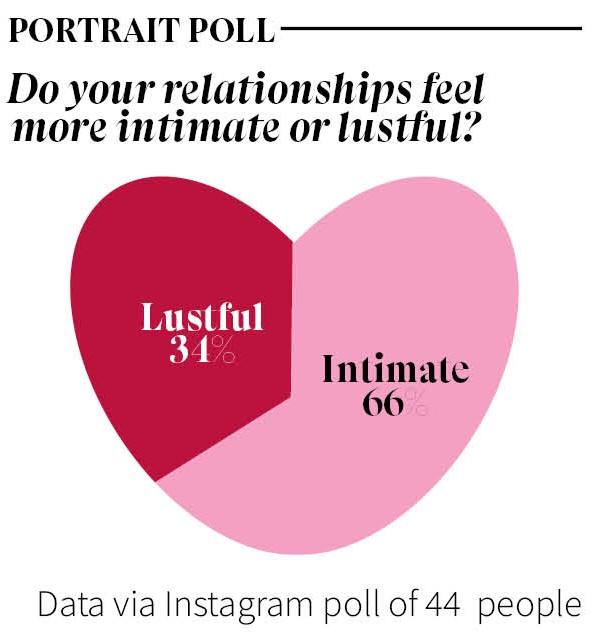
And yet, I’ve begun to notice how when we’ve participated in “it,” we think we’ve finally achieved “intimacy.” We associate “it”—a singular act—with something that encompasses all of the connections between people. We aren’t understanding what intimacy actually is while simultaneously trying so desperately to achieve it.
This changed grasp of intimacy is due to our fast whirlwind of relationships—many of which begin with the press of a button. The world we’re accustomed to is nothing short of instant. 15-second clips set to double speed. Two-page excerpts instead of novels read in class. Expedited deliveries of our restock on moisturizer.
We want “love,” “romance,” “intimacy” just as fast.
What we hunger for most out of intimacy is the deep connections it provides. We yearn to be understood for who we are, but to also understand another for their intricacies.
It’s a biological desire—we need sound relationships to survive. As Harvard has found, social isolation increases the risk of premature death by 29 percent.
So we look for the quickest way to achieve these bonds: in the physical. But we fail to realize that while sex is just a sliver of intimacy, it isn’t the whole thing.
And our tech offers the fastest way to capture this connection. It’s not hard to interact and get what you want through the screen. If you can’t get it from one profile, you just move on to the next.
When we’re face to face, we’re awkward, messy, quick to blushed cheeks of embarrassment.
So we’ve reduced signs of attraction to pixels.
Prolonged eye contact is traded for story likes.
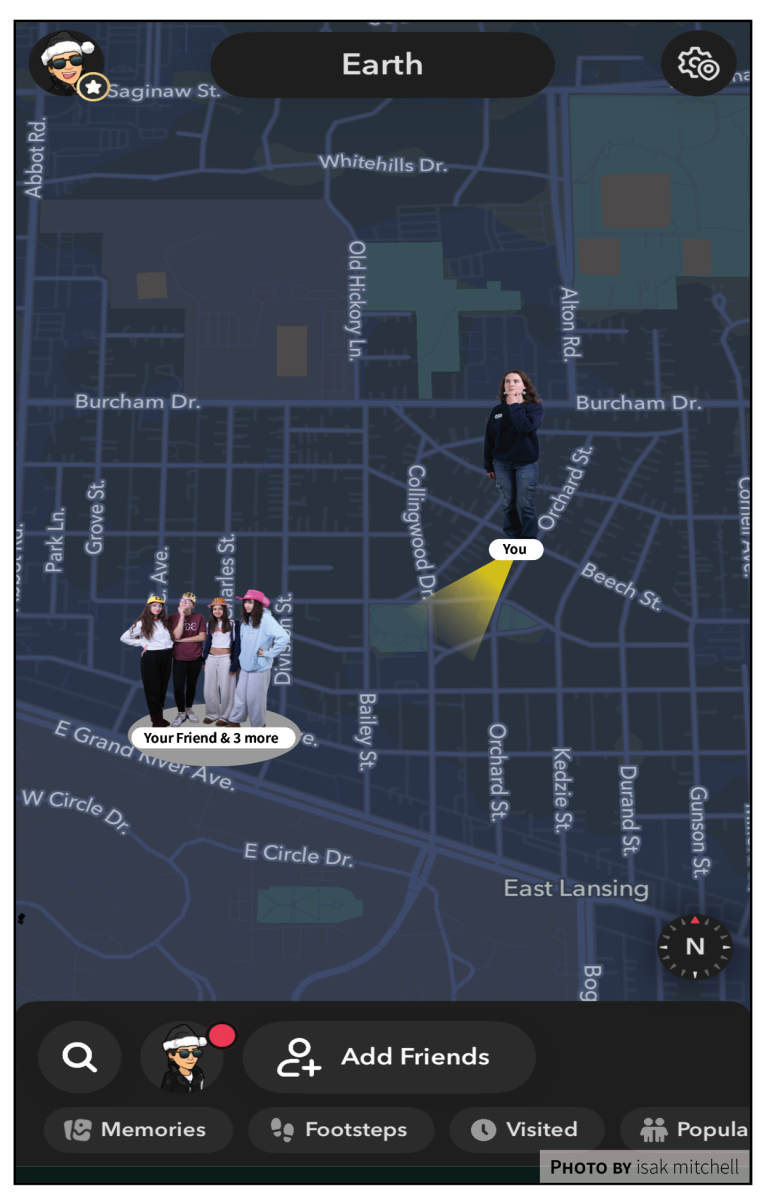
Taking any minute chance to talk is swapped out for an exchange of full-face Snaps.
An “accidental” brush of the elbow is replaced with a series of follows across your social media profiles.
We’re not kids on carpets anymore, there’s no teacher telling us how to navigate attraction. So we’ve done it ourselves, the only way we know.
We’ve grown accustomed to these methods because they’re the paths of least resistance.
As a result, our technology has come between our capacity to really understand what we want out of someone. It’s offered too lucrative a breeding ground for lust and jealousy to manifest, overbearing the real-life connections we need to actually achieve true intimacy.
So we need to slow our lives down by taking our stabs at relationships off the digital.
Let the talking stage happen, but it doesn’t need to be within your DMs.
Let them into your life, not just the confines of whatever’s in the background of your mirror selfie snaps.
Let them know how you feel, don’t just add another heart to the hundreds already on their post.
We need to come to understand who we are to each other—slowly and in person—before we can define what we do as intimate. Through accessing this tangible reality offline, we can find what intimacy should feel like. When our interactions are founded on human exchange, our connection to someone is no longer a mirage of what we were hoping for it to be.
Let’s be frank: We’re old enough now to put our true feelings to words. We don’t need a screen to facilitate how we do so.